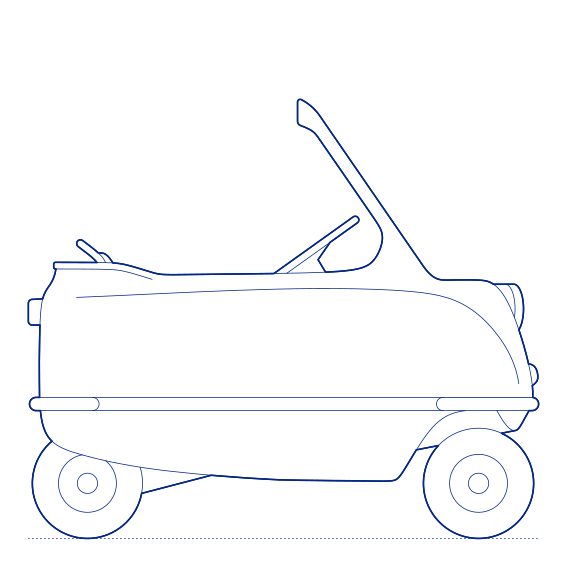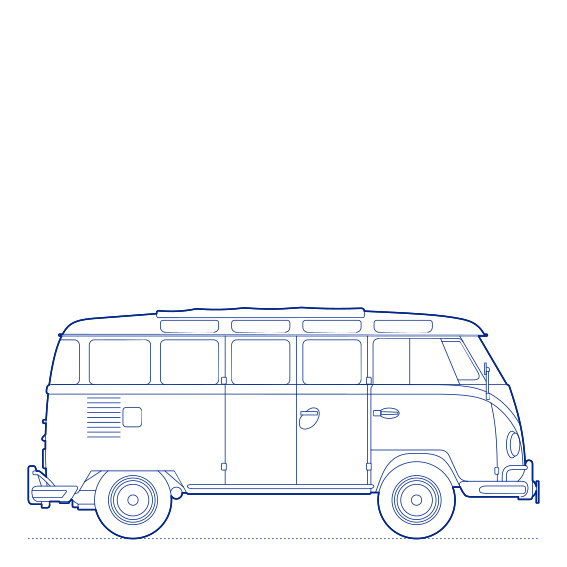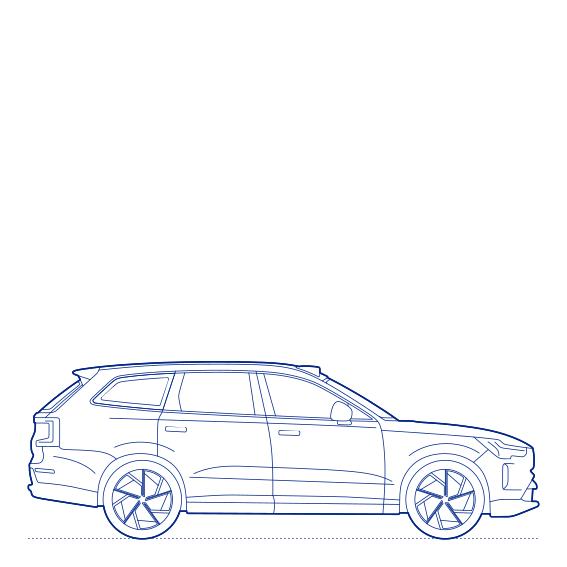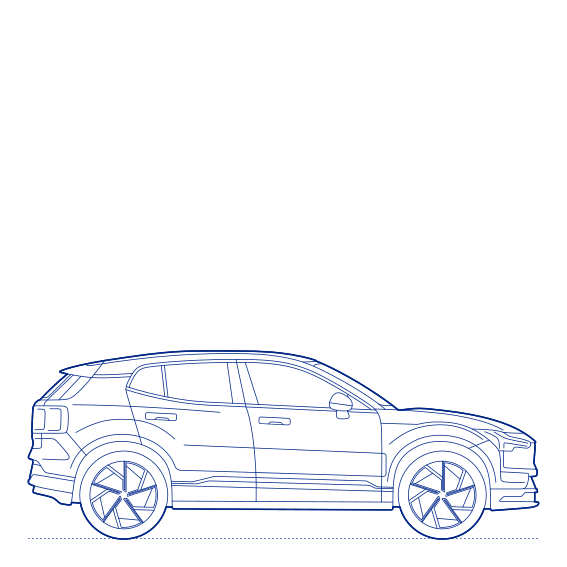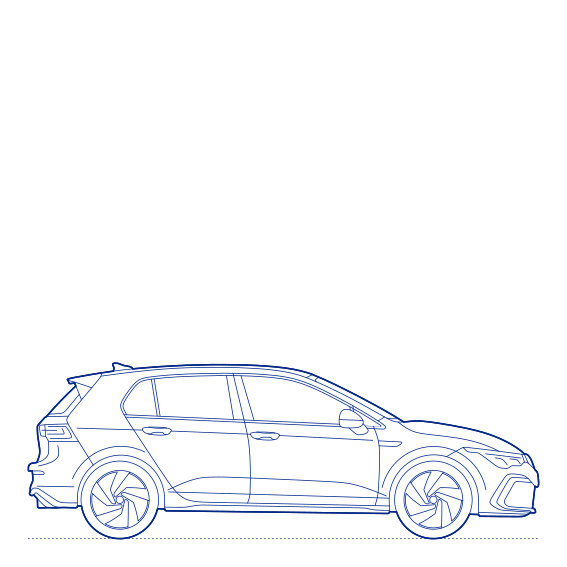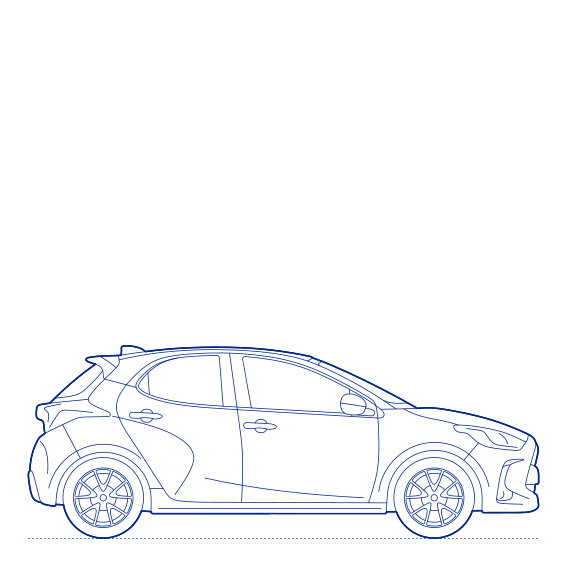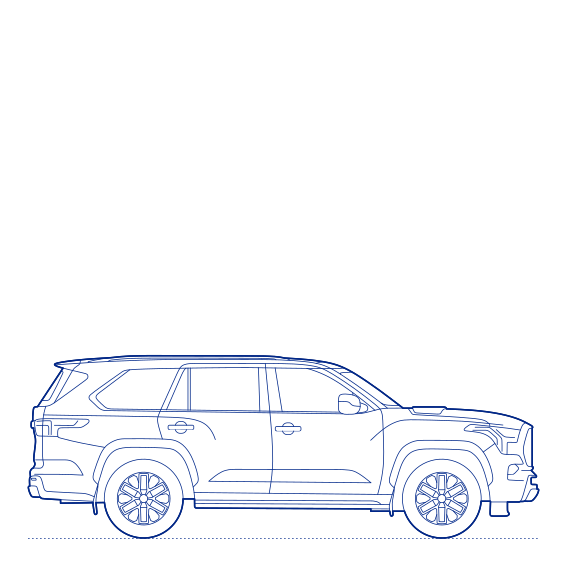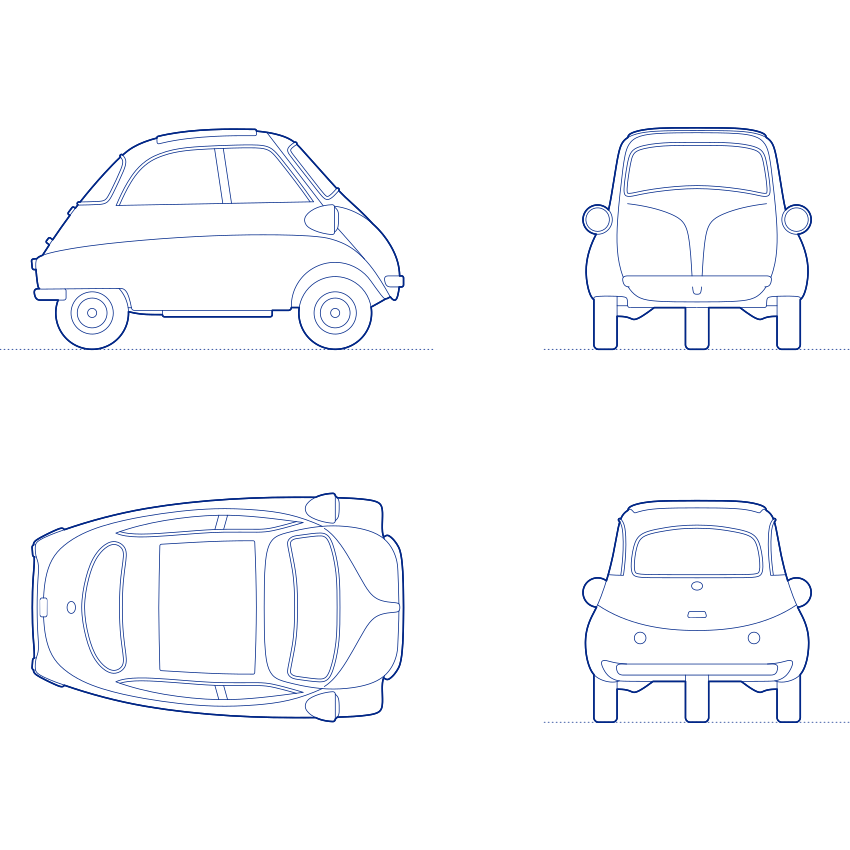
BMW Isetta 300 is a 2D CAD vehicle entourage block — a microcar drawn in accurate side elevation for use in architectural site plans, urban design drawings, car park layouts, driveway and forecourt designs, street sections and presentation graphics. The BMW Isetta 300 is a 1950s microcar of approximately 2.29m in length — one of the smallest production cars ever made, with its iconic front-opening door, bubble-shaped body and motorcycle-derived powertrain. The Isetta is a historically significant vehicle profile that communicates the mid-century microcar era and provides a striking scale contrast in architectural drawings. Vehicle entourage blocks are standard components of the architectural drawing toolkit, providing realistic scale references that establish human and vehicular context in site plans, communicate parking space dimensions and driveway clearances, and animate presentation drawings with recognisable, correctly proportioned vehicle profiles. This DWG block is drawn to the vehicle's actual dimensions and is ready for direct insertion into AutoCAD, Revit, Rhino, SketchUp and other compatible CAD environments.
Vintage microcar entourage like the BMW Isetta is appropriate in automotive museum design drawings, heritage transport exhibition layouts, retro-themed residential and hospitality design presentations and any architectural drawing where a historically significant tiny vehicle provides an engaging and immediately recognisable scale reference. Architects and urban designers use vehicle entourage blocks to demonstrate parking layout compliance in planning applications, to establish vehicular scale in street cross-section drawings, and to populate driveway, forecourt and car park designs with realistic vehicle references. A correctly dimensioned vehicle block in a site plan immediately communicates parking space provision, turning circle constraints and driveway width requirements to planning officers, clients and design review panels reviewing the proposal.
Architects designing automotive museums, heritage transport exhibitions and retro-themed hospitality environments will find the BMW Isetta 300 a correctly scaled vintage microcar entourage block that adds historical character and scale contrast to DWG architectural drawing sets. This 2D DWG vehicle entourage block is a reusable drawing resource for architects, urban designers, landscape architects and transport planners. Accurate vehicle proportions and clean linework make the block suitable for both technical planning application drawings and high-quality presentation graphics. Download the DWG file for immediate use in existing CAD workflows — a dependable vehicle scale reference for site plans, street sections and architectural presentation drawings.
Available as a 2D DWG drawing.