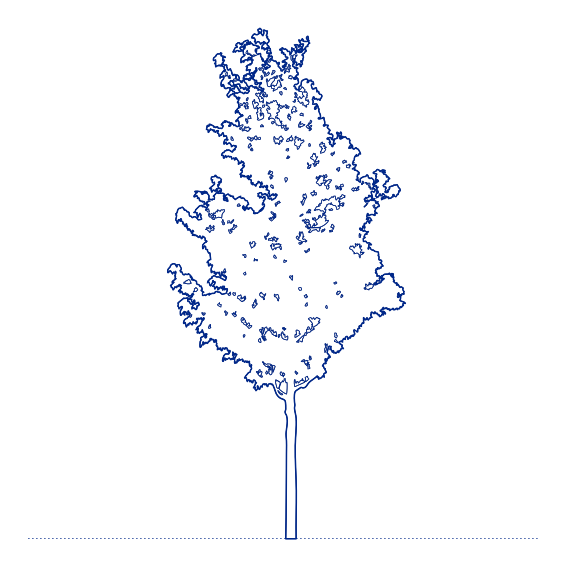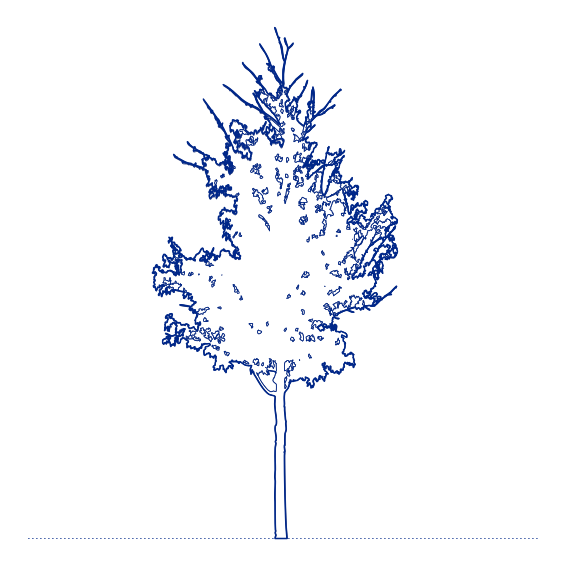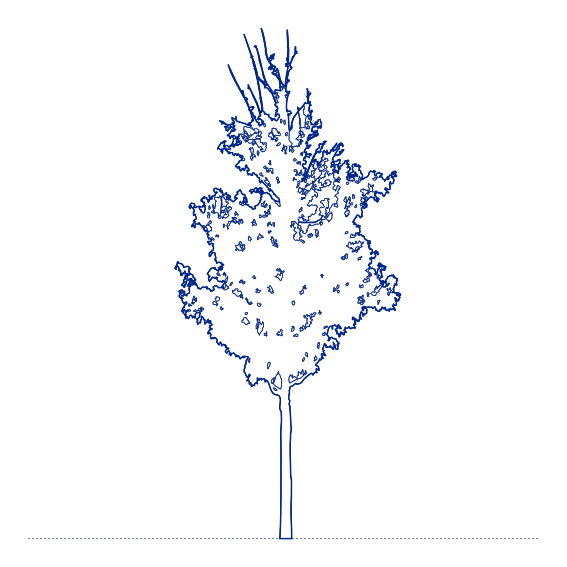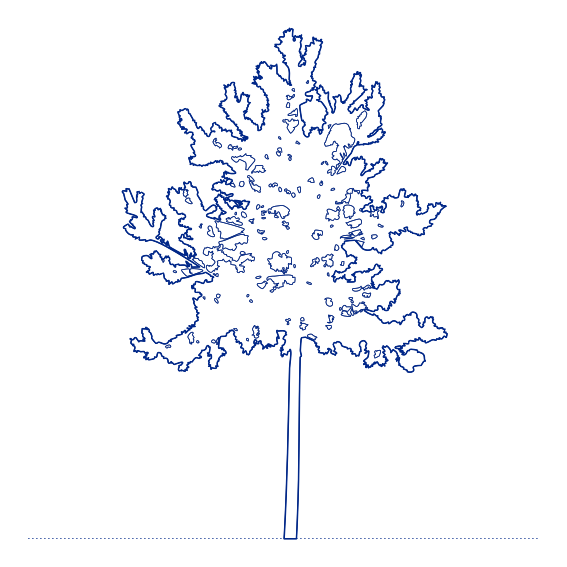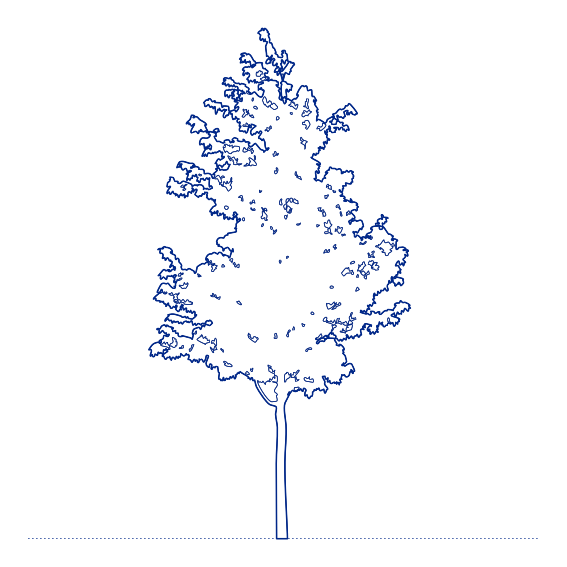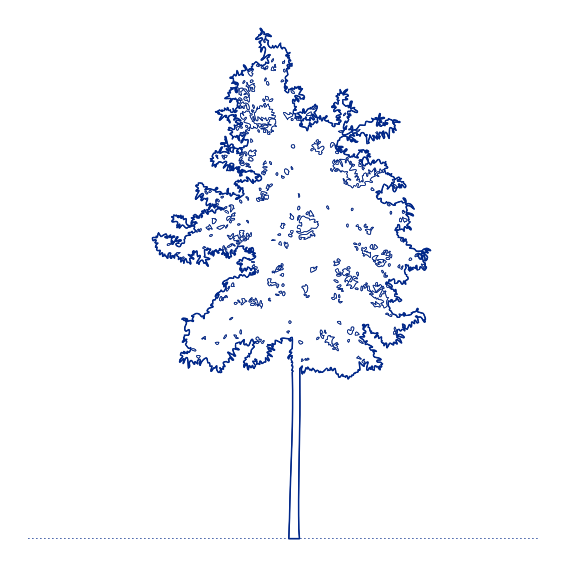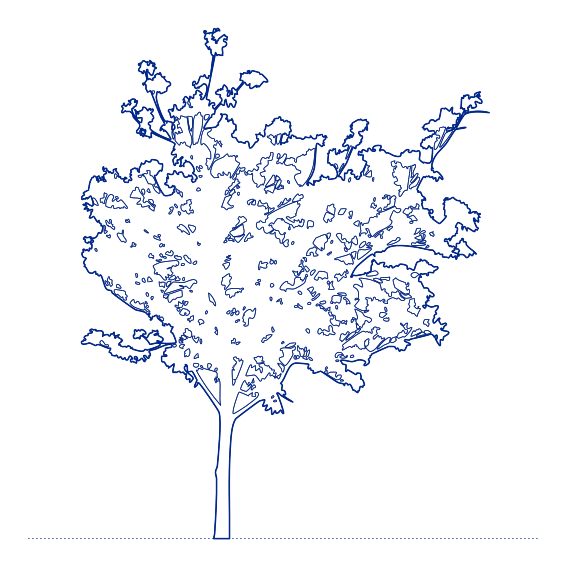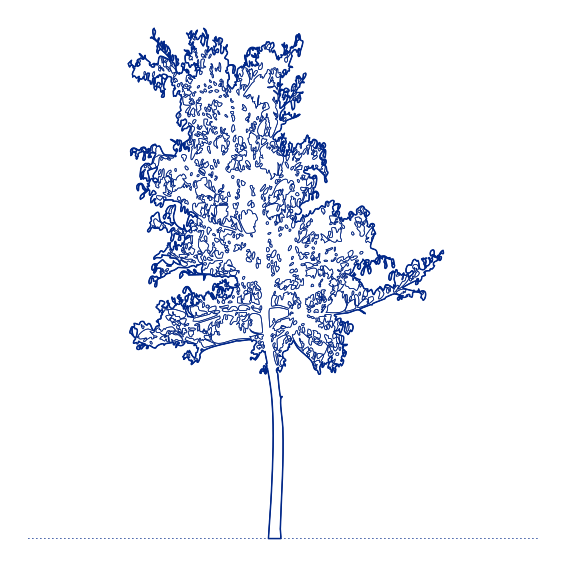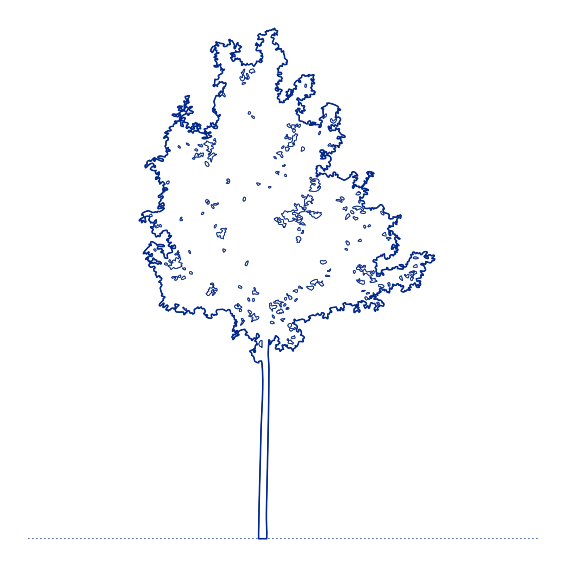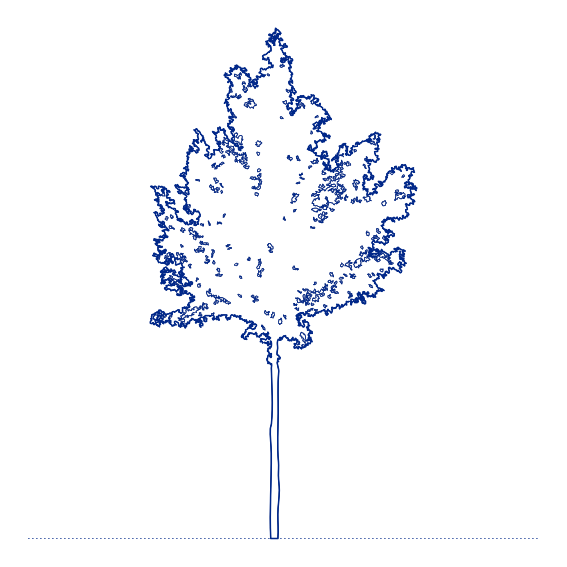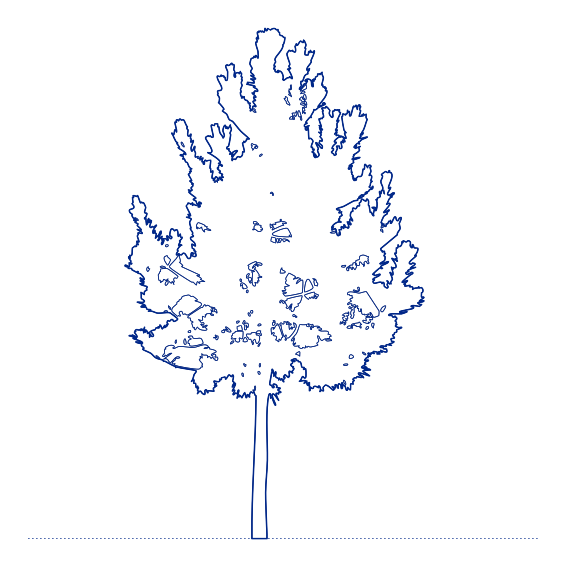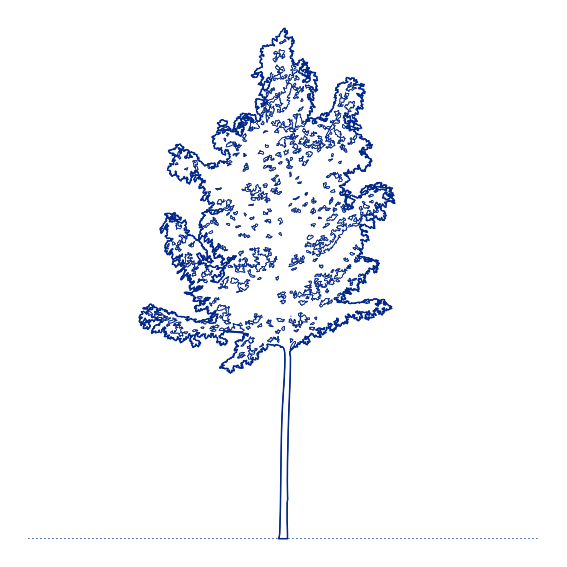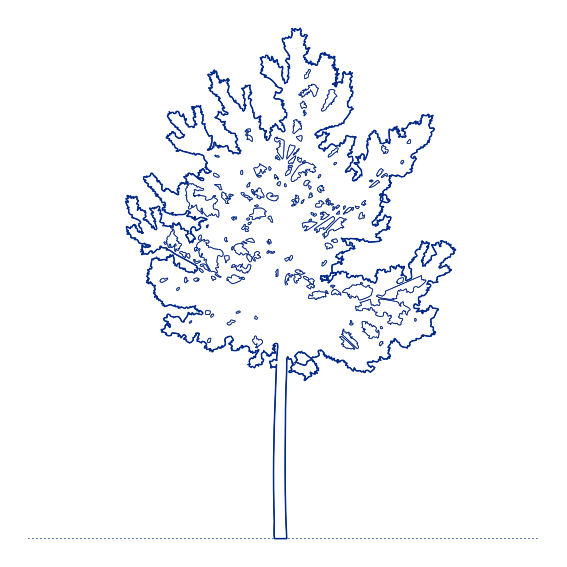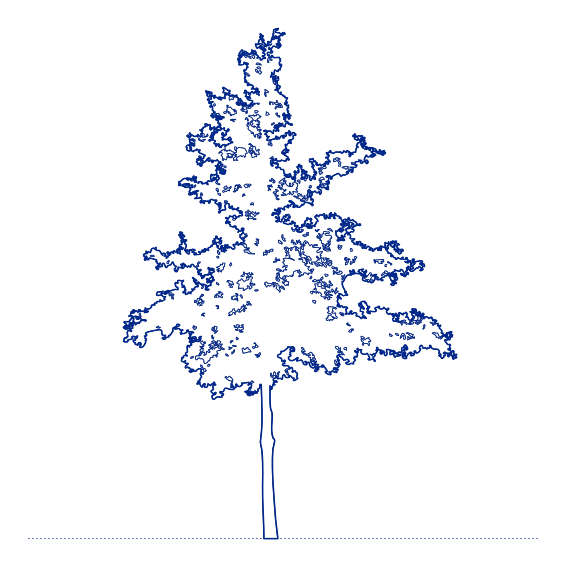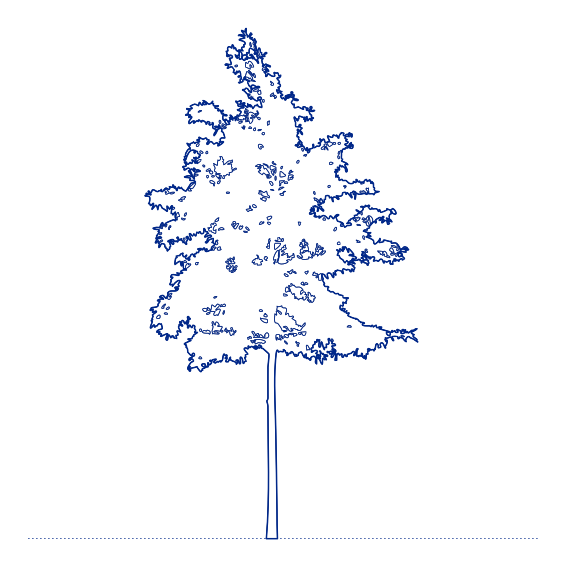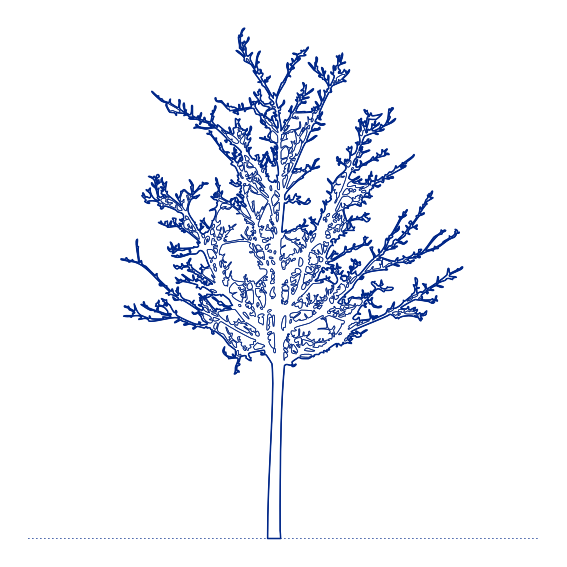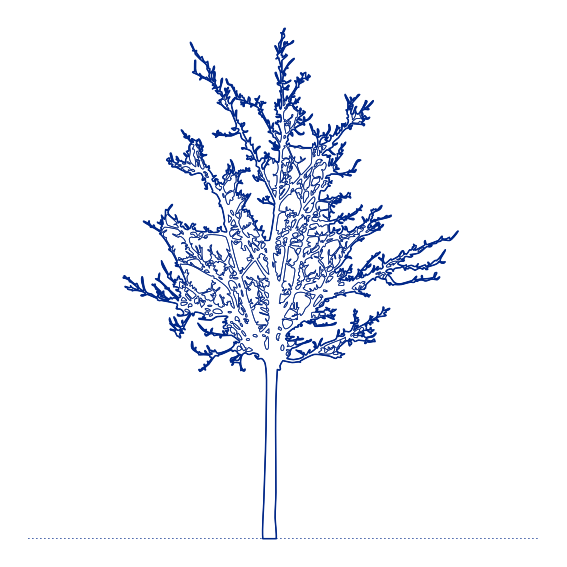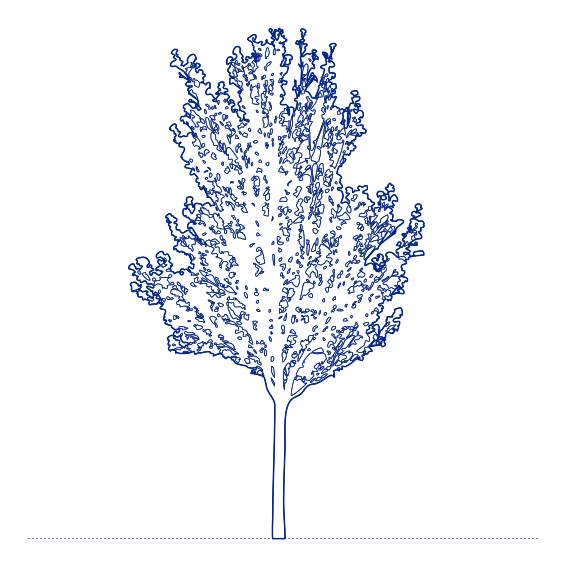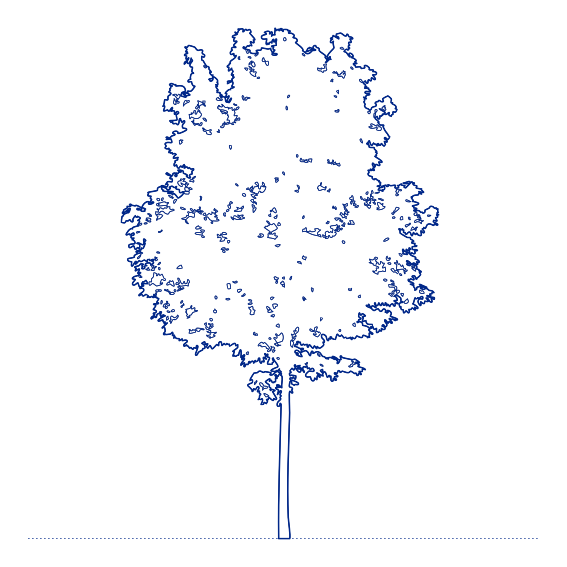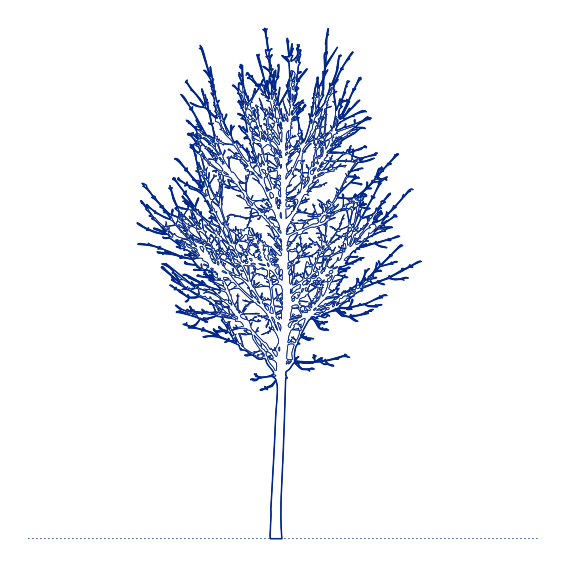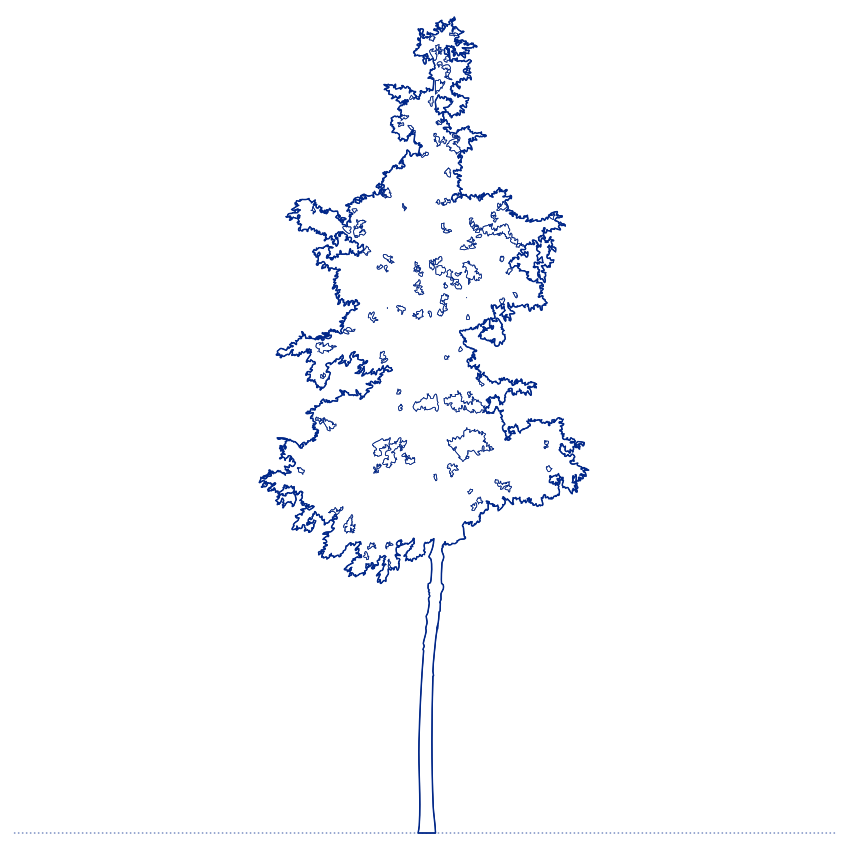
Tree 015 is a 2D CAD tree entourage block — a young tree sapling drawn in side elevation for use in architectural drawings, landscape plans, site sections, urban design masterplans and presentation graphics. Tree 015 presents a young tree at early-establishment stage — a slender form with light branching and modest crown development, characteristic of a two-to-five year old deciduous specimen recently planted in an urban street, residential garden or public open-space context. Tree entourage blocks are among the most frequently used elements in architectural drawing sets, providing natural scale references, softening the built environment in presentation drawings and communicating landscape character to clients, planning authorities and design review panels. This DWG block is drawn to realistic proportions and is ready for direct insertion into AutoCAD, Revit, Rhino, SketchUp and other compatible CAD environments without modification.
Young street tree blocks at this scale are particularly useful in urban greening proposals, residential new-build landscape drawings and public realm improvement schemes where the initial planting scale is shown accurately in planning documents before the trees reach the mature scale ultimately intended for the space. Landscape architects, urban designers and masterplanners use tree entourage blocks to populate planting plans, public realm drawings and site sections with contextually appropriate vegetation references. In architectural presentation drawings, correctly scaled and characterfully drawn tree figures transform a bare site plan into a legible, inhabited environment that communicates the spatial quality of the design proposal. Having a library of varied tree DWG blocks available means architects can select the profile that best matches the species, scale and seasonal character intended for a specific planting position.
Architects and landscape architects drawing urban street tree proposals, residential new-build landscape schemes and public realm planting plans will find Tree 015 a useful young deciduous tree entourage block for representing newly planted specimens at accurate early-establishment scale in DWG drawings. This 2D DWG tree entourage block is a reusable drawing resource for architects, landscape architects, urban designers and planning consultants. Clean linework and accurate proportions make the block suitable for both technical drawing sets and high-quality presentation graphics. Download the DWG file for immediate use in existing architectural CAD workflows — a dependable tree entourage reference for site plans, sections and landscape design drawings.
Available as a 2D DWG drawing.