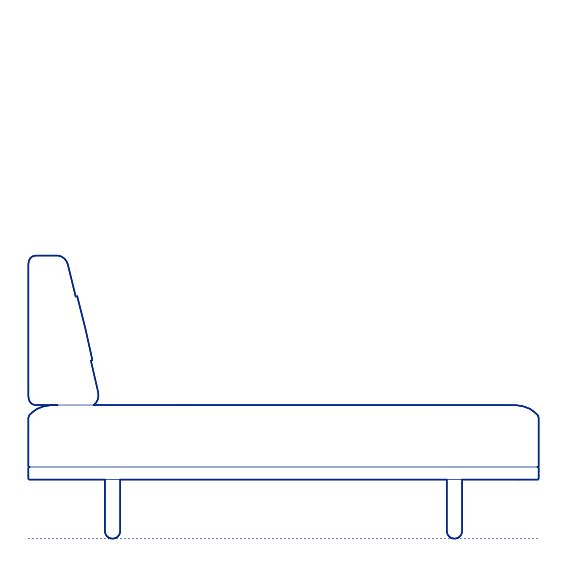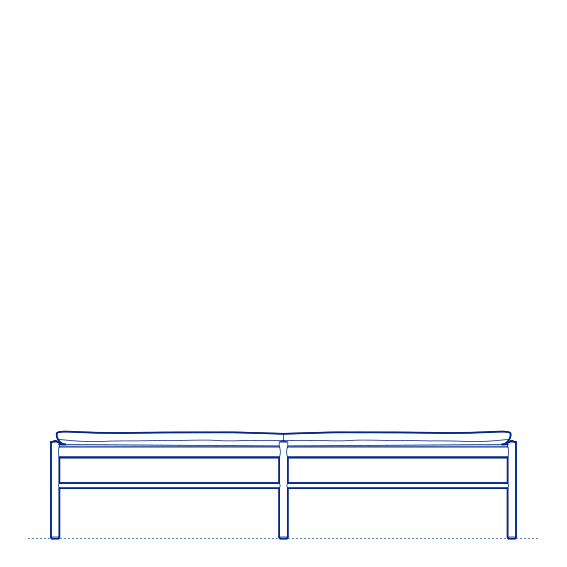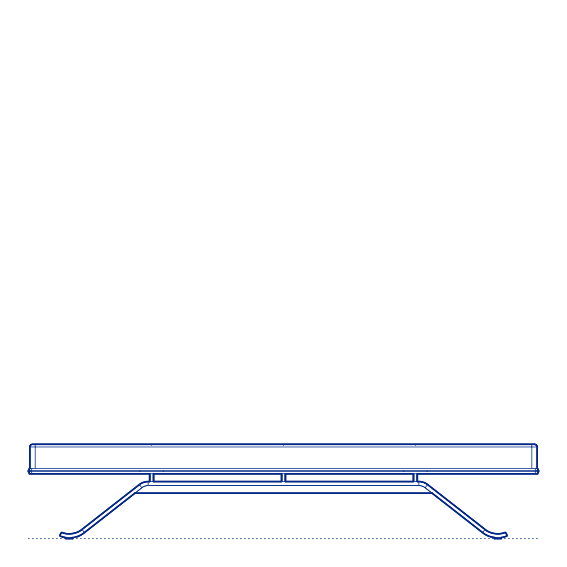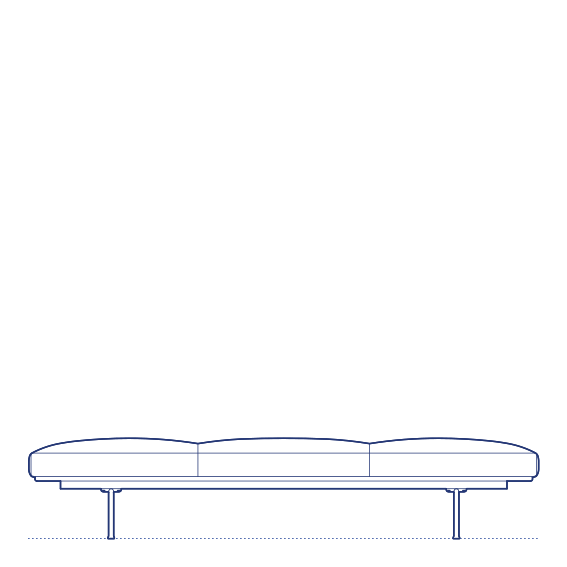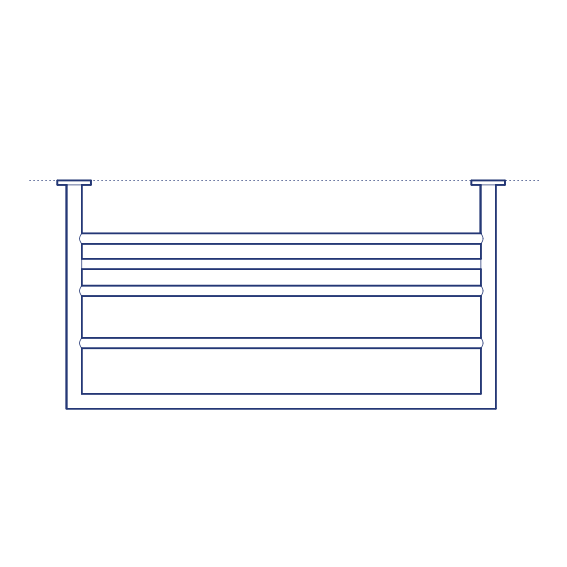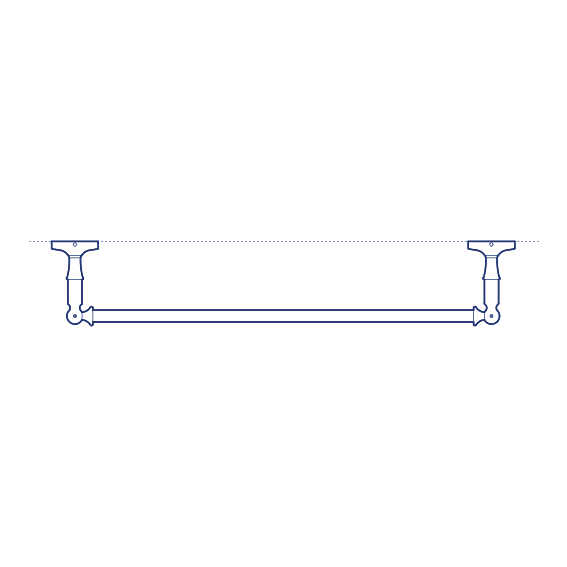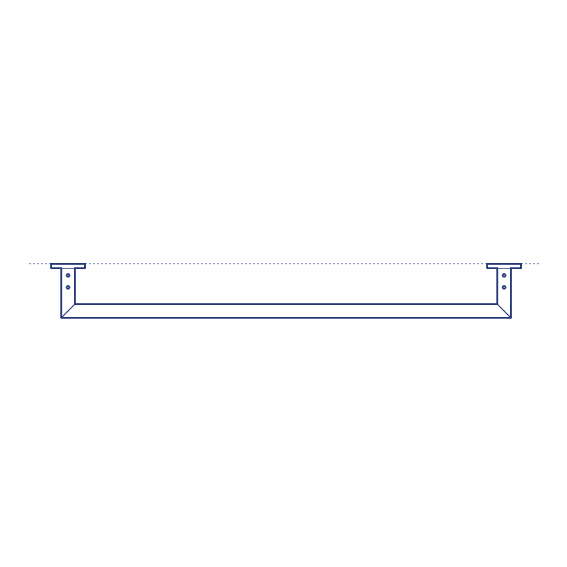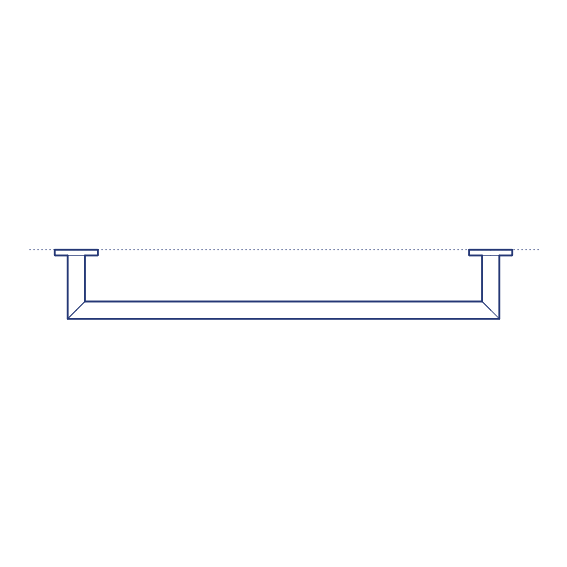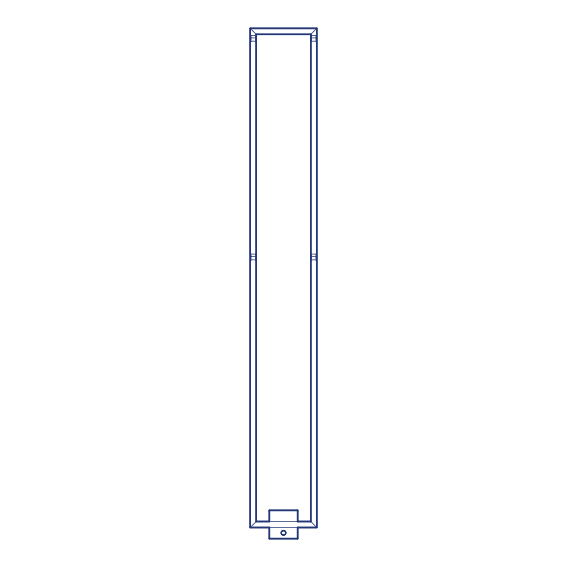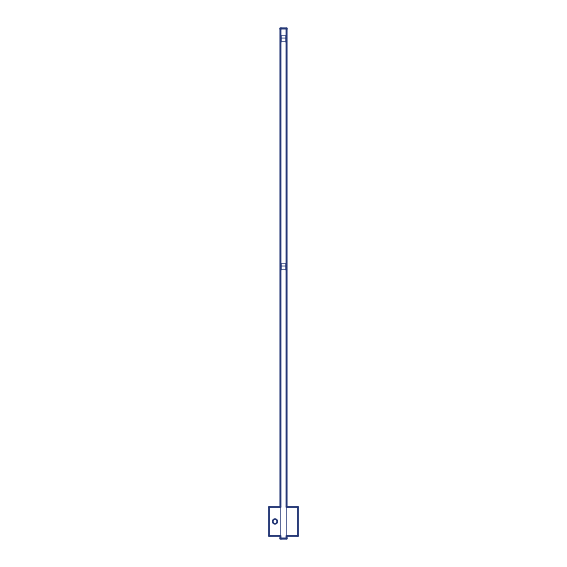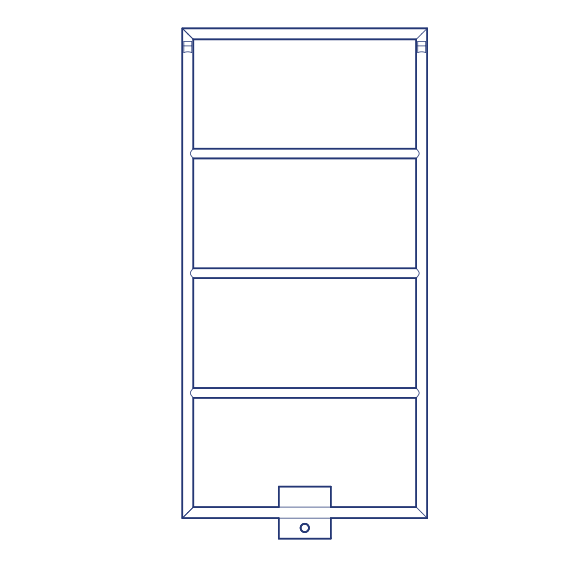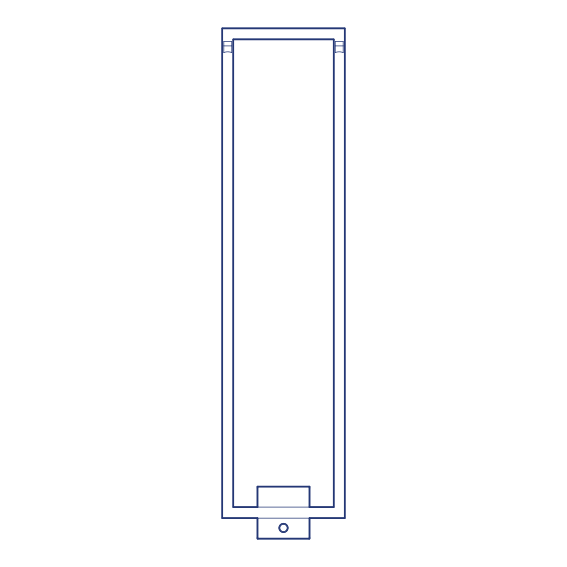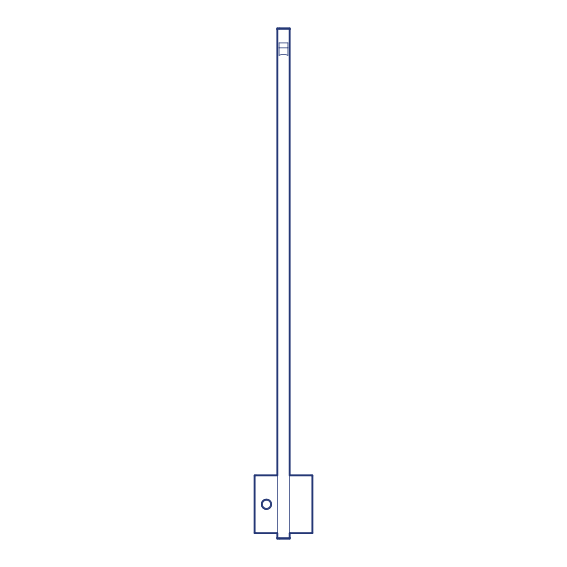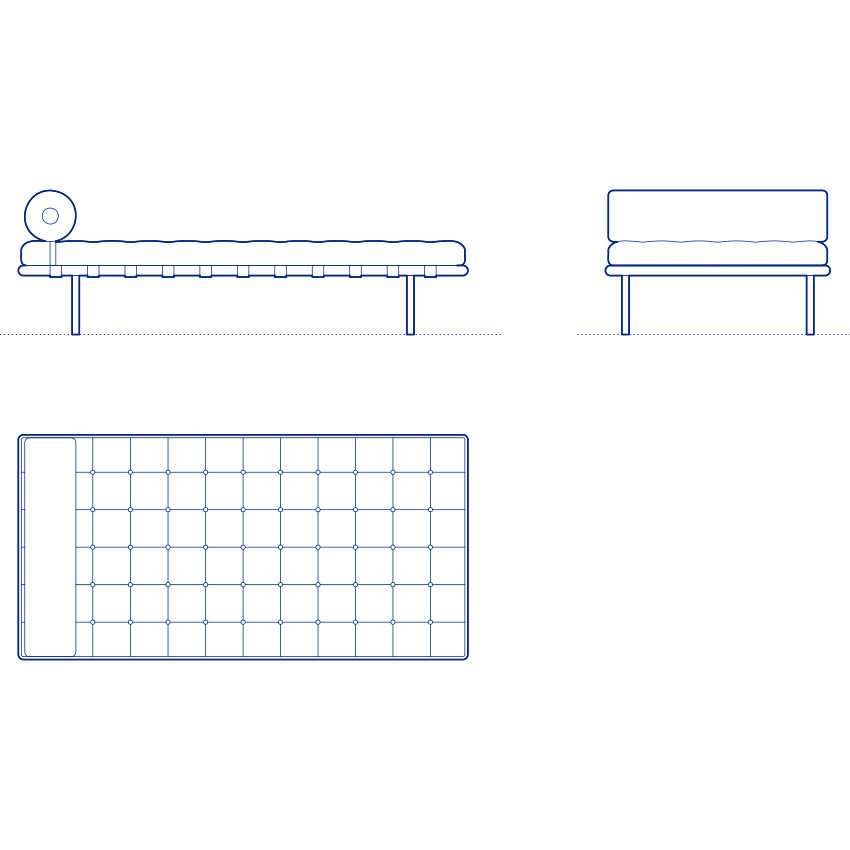
Barcelona Daybed by Knoll was designed by Ludwig Mies van der Rohe and Lilly Reich for the German Pavilion at the 1929 International Exposition in Barcelona — one of the most significant buildings and interior environments in the history of modern architecture. The daybed was conceived as a companion to the Barcelona Chair and Ottoman, sharing the same stainless steel frame logic and leather cushion system. The daybed's long, horizontal form — a tufted leather cushion on a polished frame — is a direct expression of Mies's spatial thinking at the pavilion: furniture as architecture, horizontal planes that extend and articulate space rather than interrupt it. The Barcelona Daybed entered continuous production with Knoll in 1953 and has remained one of the defining objects of modernist furniture.
The Barcelona Daybed's expansive horizontal profile and chromatic refinement — polished stainless frame, deeply tufted black, white or tan leather cushion — give it a spatial gravity that few other single pieces of furniture possess. It defines any room it enters. In residential and hospitality contexts it is most often specified for master bedrooms, executive hotel suites, penthouse living areas and premium waiting environments where a furniture piece of significant historical and design authority is the specification intent. Its clean base geometry makes it visually light despite its physical presence, and the Mies van der Rohe authorship makes it one of the most universally understood signals of architectural and design literacy in any interior.
Architects and interior designers specifying the Barcelona Daybed for high-specification residential, hospitality and commercial interior projects will find the DWG drawing and CAD block useful for furniture placement, clearance planning and interior elevation documentation. A canonical specification for any project where Mies van der Rohe's enduring modernist vocabulary is part of the design intent.
Available as a 2D DWG drawing.