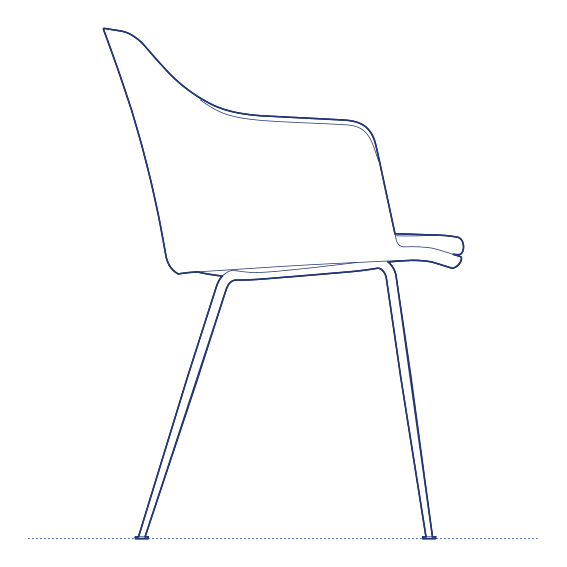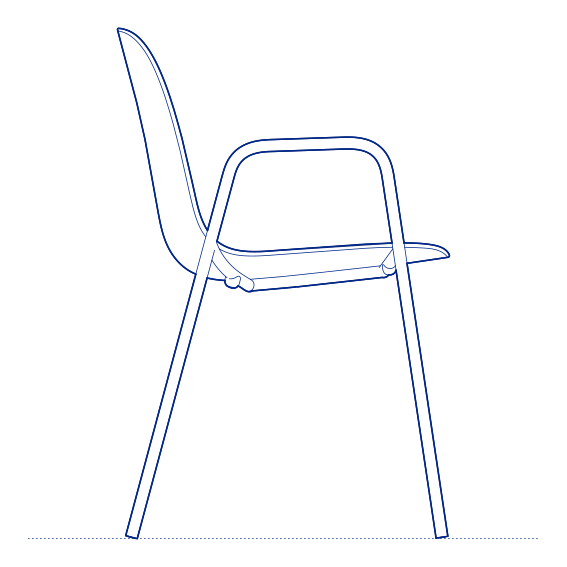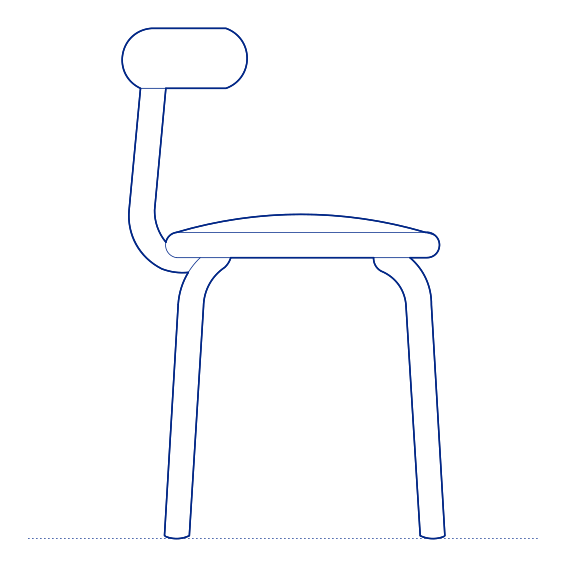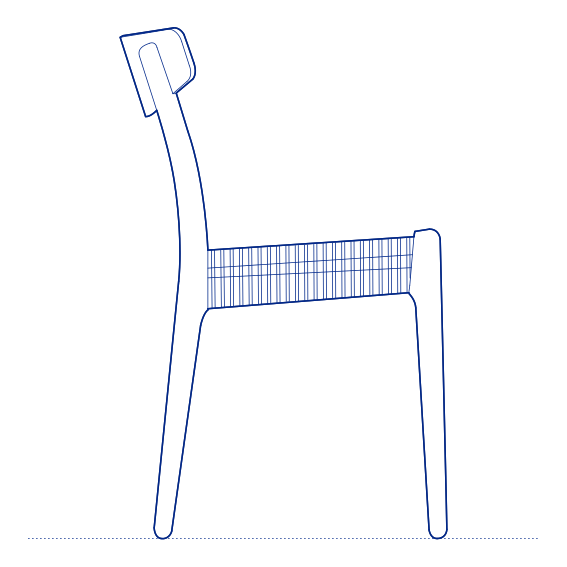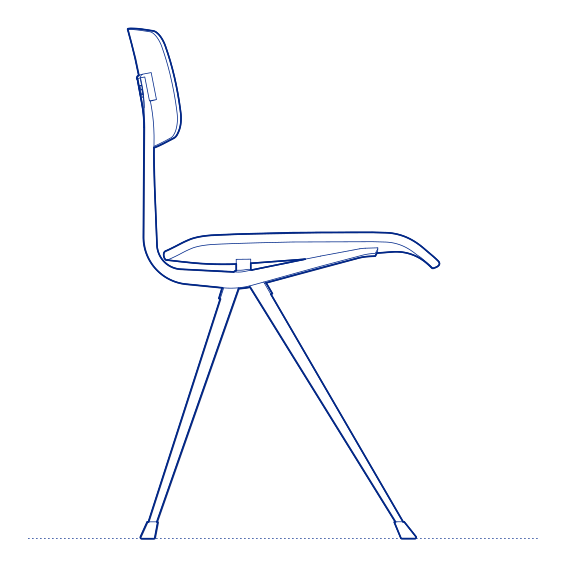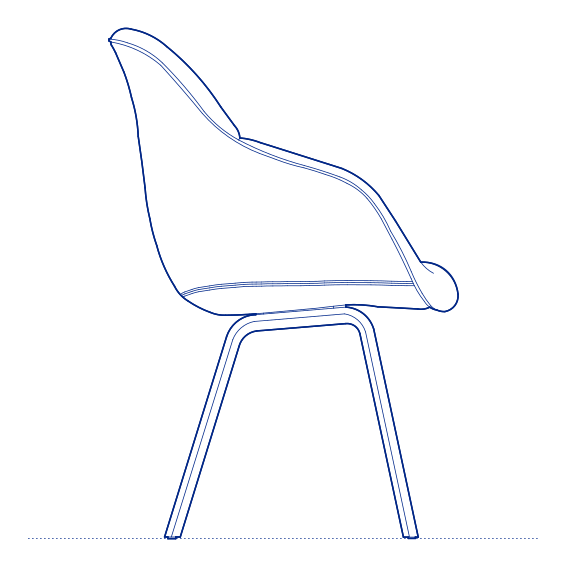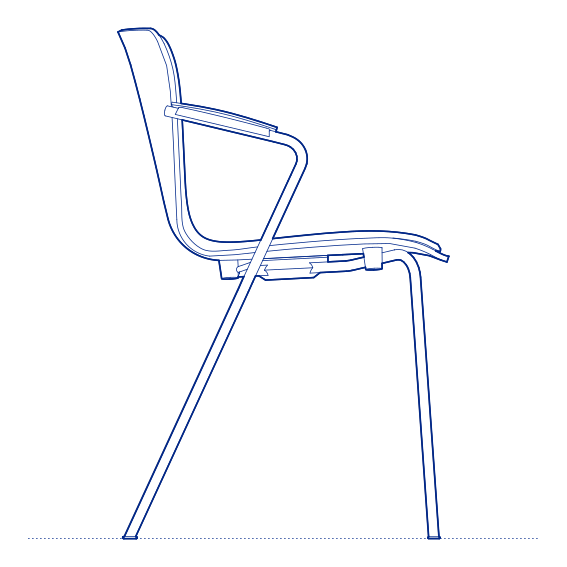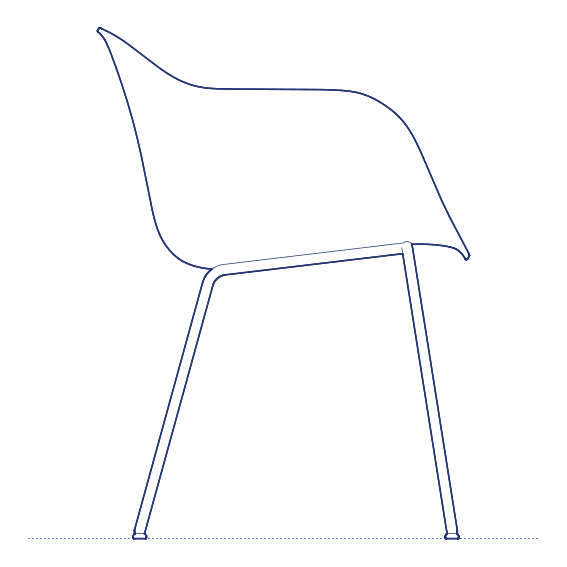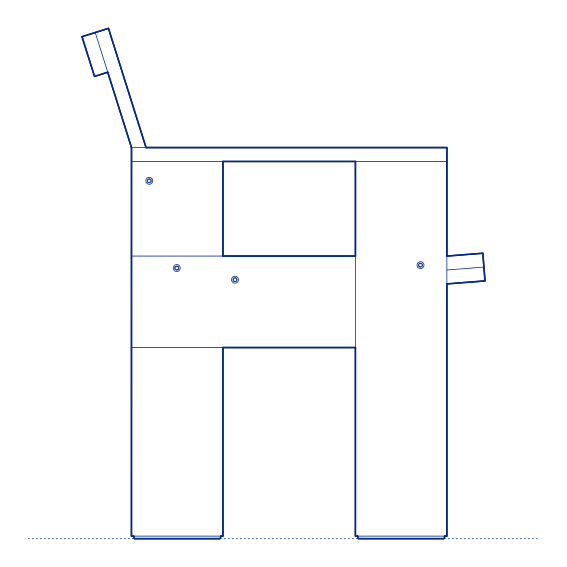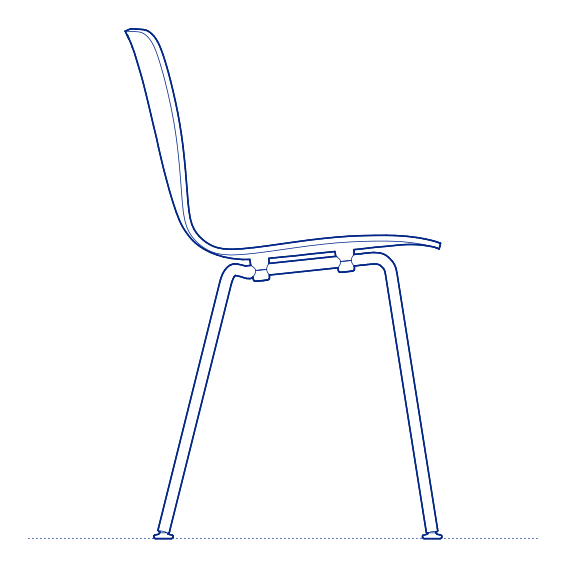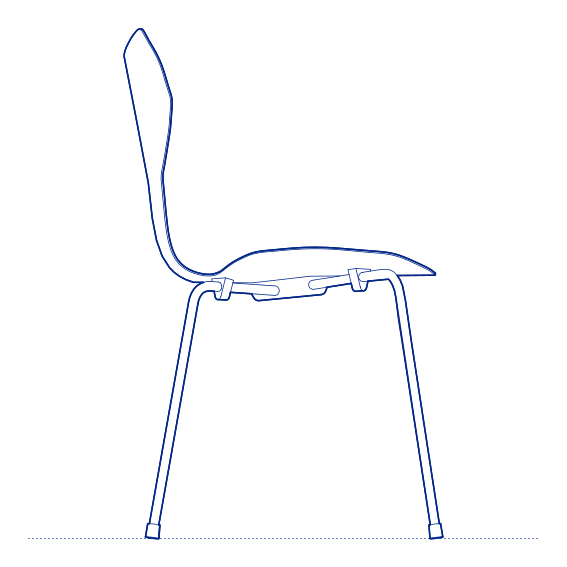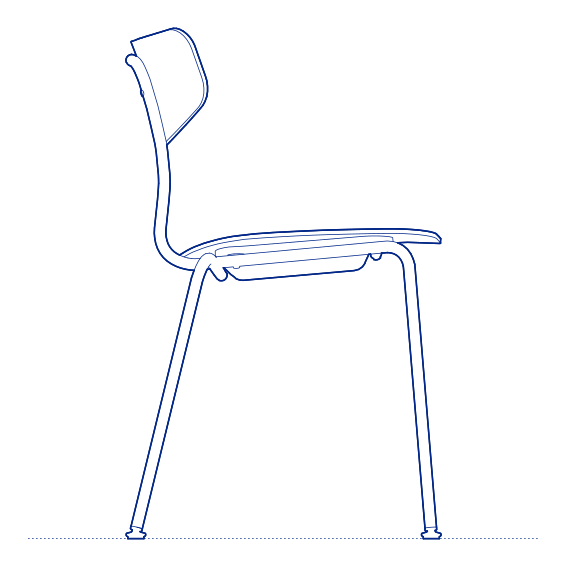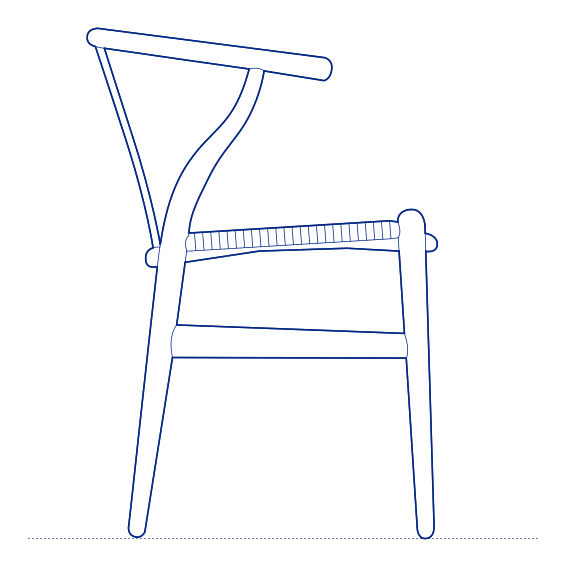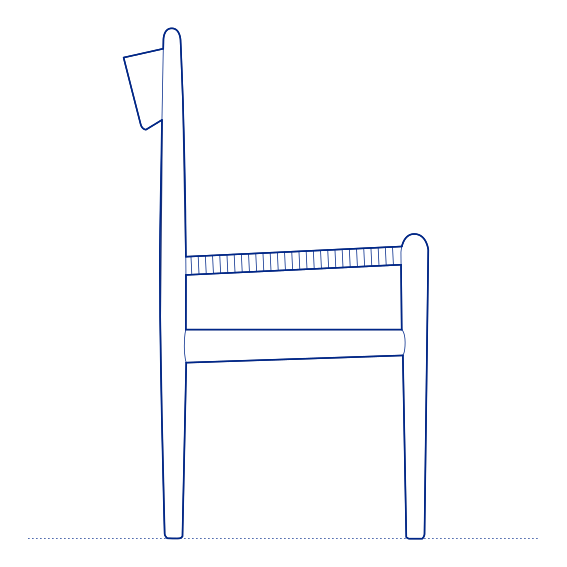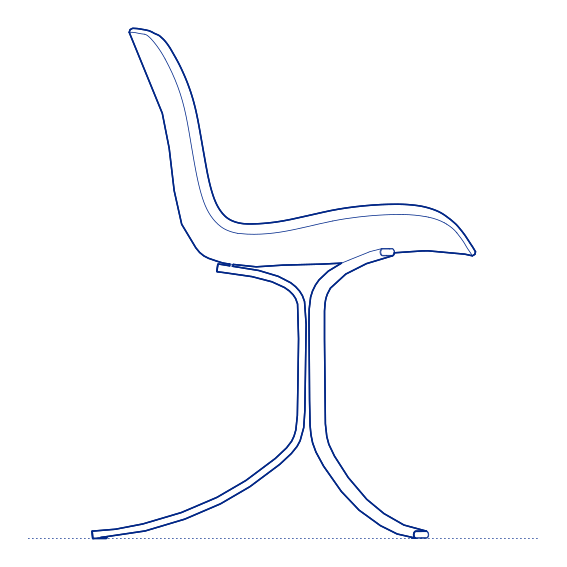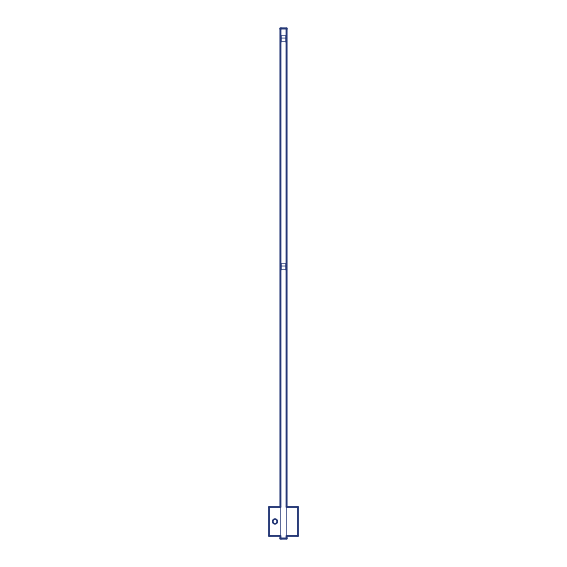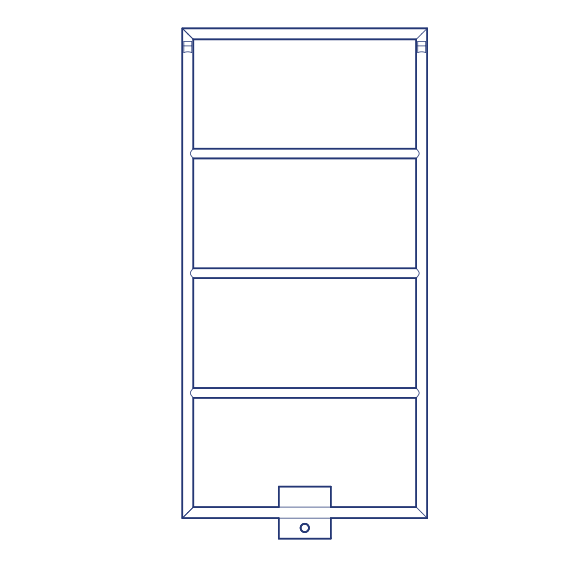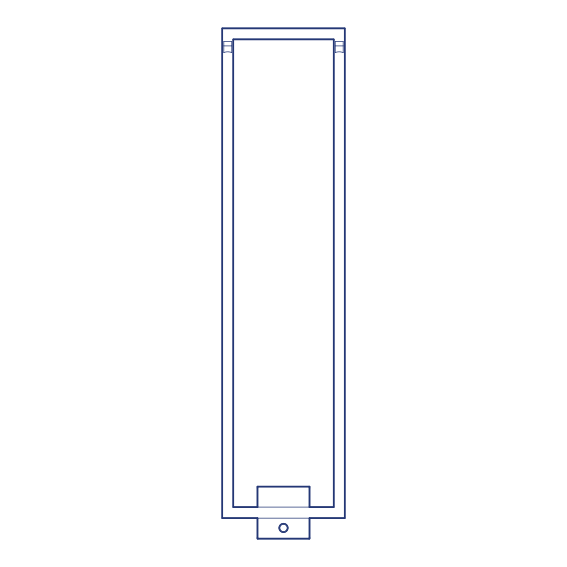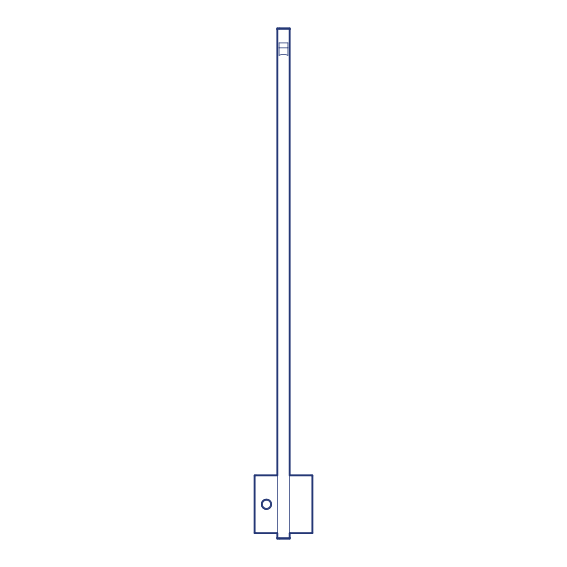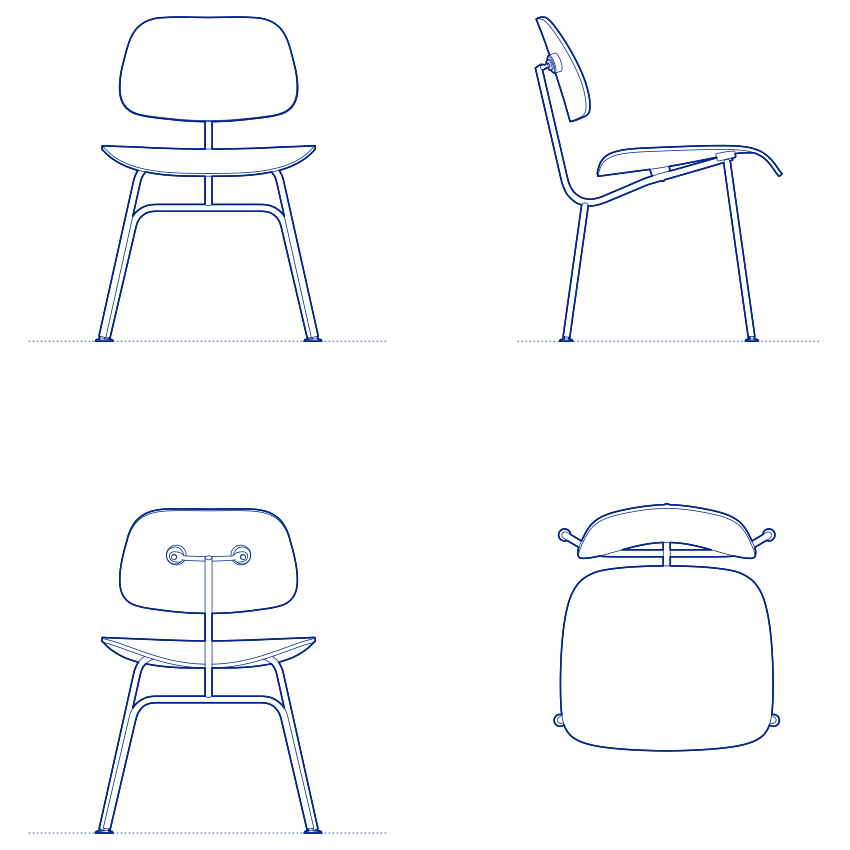
Plywood Group Chair by Vitra was designed by Charles and Ray Eames and first produced in 1945 — making it one of the earliest and most historically significant pieces in the Eames design legacy. The chair emerged directly from the Eameses' wartime research into plywood moulding techniques, work that they had originally undertaken to produce splints and stretchers for the US Navy, and that gave them the technical mastery to create furniture of unprecedented formal and material refinement from moulded plywood. The Plywood Group Chair uses separately moulded plywood shells for the seat and back — each formed into a compound curve that follows the body's contours — connected to a welded steel wire frame through rubber shock mounts that allow independent flex between the shell elements, creating a chair of remarkable sitting comfort without upholstery.
The Plywood Group Chair's combination of warm, tactile moulded plywood and slender welded steel wire produces a chair of material contrast and formal elegance that has remained in continuous production for eighty years — first by Herman Miller and since 1957 by Vitra for the European market. The rubber shock mount connection between the plywood shells and the steel frame is both a functional detail and a visible design statement: a deliberate, honest exposure of the chair's construction logic. In residential dining rooms, office environments, hospitality settings and institutional spaces, the Plywood Chair communicates a quality of design intelligence and material care that continues to distinguish it from contemporaries.
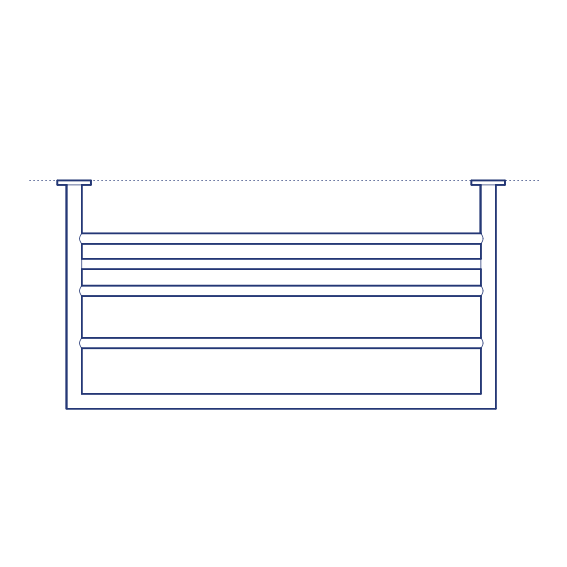
Architects and interior designers specifying the Plywood Group Chair for residential, hospitality and commercial environments will find the DWG drawing and CAD block essential for seating layout, table configuration and interior documentation. The 3D model supports BIM-accurate furniture placement across all project types. A foundational specification for any interior project where this historically significant Charles and Ray Eames design is part of the design intent.
Available as a 2D DWG drawing and 3D model.